
Importing an E-Bike Yourself: Recommendations and Things to Watch Out For
E-bikes are a sporty type of electric-assist bicycle that is booming overseas.
This article covers personally importing an e-bike, including an overview of e-bikes and points to watch out for when importing one.
If you are thinking of importing an e-bike yourself, please read on.
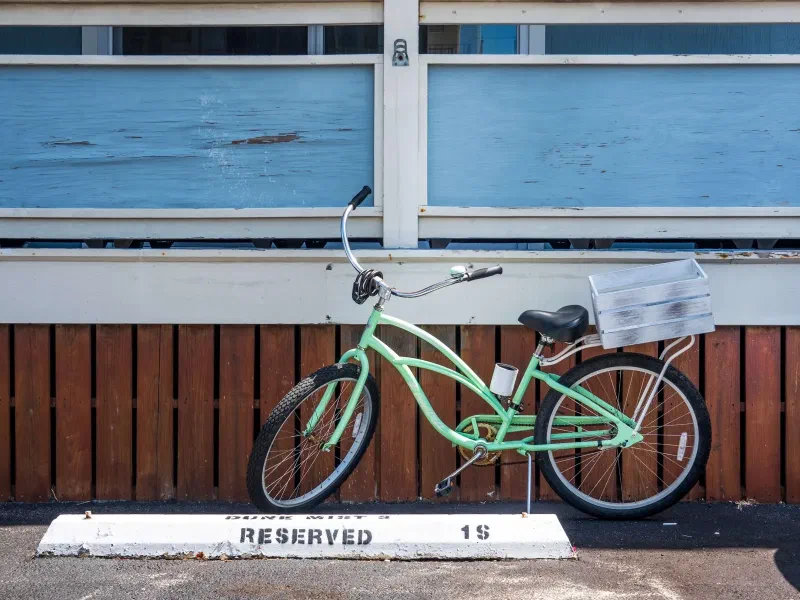
What is an e-bike?
An e-bike is a sporty electric-assist bicycle.
Many ordinary electric-assist bicycles are the “mamachari” (everyday city bike) type, but e-bikes are sport-type bikes.
You can go cycling even without much stamina
With an e-bike, you can go cycling even without much stamina.
As we get older, our stamina declines and exercise gets harder.
Exercise that demands stamina, such as cycling, becomes especially difficult.
With an e-bike, even people who think “I’d like to go cycling, but I don’t have the stamina” can enjoy cycling easily.
You can join group rides without falling behind
With an e-bike, you rarely need help from your riding partners, so you can join group rides without falling behind.
Many people who cycle also do group rides.
A group ride is about helping each other, so even if you get tired later on, your companions can help you.
But some people feel awkward about being helped by their companions every time.
With an e-bike, you will no longer be the one who is always getting assistance, so there is nothing to worry about.
Easily avoid packed trains
If you commute by e-bike, you can avoid packed trains, and unlike commuting on a regular bicycle, it is easy on the body.
Many people cycle to work to escape the packed rush-hour trains, but some worry about sweating.
On hot summer days in particular, shirts get drenched in sweat when you cycle to work.
With an e-bike, you can avoid the rush-hour trains, and unlike commuting on a regular bicycle, you can get to work easily without breaking a sweat or getting tired.
Stylish looks
An e-bike is a sporty electric-assist bicycle, so it also looks stylish.
Many ordinary electric-assist bicycles are the mamachari type, but e-bikes are sport types such as road-bike and cross-bike styles.
In Japan, electric-assist bicycles are mostly the mamachari type.
They look stylish and cool, so e-bikes are also a good choice for people who care about looks, such as “I’m interested in an electric-assist bicycle, but I don’t want a mamachari” or “I want to ride a cool bike.”
Besides looking cool, the electric motor and battery are also much lighter than those of mamachari-type bikes.
Electric-assist bicycle rules differ between Japan and overseas
An electric-assist bicycle is a vehicle between a bicycle and a moped, and it is subject to assist regulations.
Here is how the regulations on electric-assist bicycles differ between Japan and other countries.
Regulations on electric assist differ from country to country.
Electric-assist bicycles in Japan have standards for the upper limit of the speed at which assist works, and for the ratio of assist force to human pedaling force.
Overseas, some e-bikes are sold whose assist works at higher speeds than in Japan.
If a bike fails to meet even one of the standards under Japan’s Road Traffic Act, it is not regarded as a bicycle and cannot be ridden on public roads as one. If you import an overseas-spec e-bike, be sure to check whether it complies with Japanese standards.
E-bikes arrive in Japan
E-bikes are very popular overseas, and they are gradually spreading in Japan as well.
Foreign-made e-bikes have to be adapted to Japan’s assist standards, so overseas models are not necessarily sold in Japan as they are.
Drive unit makers such as “BOSCH” and “Shimano” have prepared units for Japan, and as a result several makers, including TREK, have started selling Japan-spec e-bikes.
Importing yourself is recommended for popular e-bikes
If you want an e-bike that is popular overseas, importing it yourself from abroad is a good option.
Japan-spec e-bikes are increasing, but not every overseas model is sold in Japan.
Importing from overseas adds shipping and taxes, and can cost more than buying in Japan. But if you want a model you cannot get in Japan, personal import is an option. Just be sure to check that it complies with Japanese standards.
Features of and cautions for importing an e-bike
Importing an e-bike has some characteristics that other products do not.
Compare with Japanese prices first
Generally, overseas products sold in Japan often cost more than the local price.
With e-bikes, though, once you include shipping, customs duty and consumption tax, the total can end up higher than buying in Japan. Also, Japan-spec models adapted to Japanese standards may already be on sale in Japan.
Before buying, compare the price in Japan with the total including shipping and taxes. For customs duty, see About customs duty.
Watch out for battery shipping
E-bike batteries are lithium-ion batteries, so international shipping is restricted.
At Planet Express, lithium batteries on their own and mobile batteries cannot be shipped. Batteries built into or packed with a device also have limits, such as a maximum number, depending on the shipping method. For items that contain a large battery, like an e-bike, check the prohibited and restricted items before buying, and it is safest to ask Japanese-language support (ja@planetexpress.com).
Watch the size and weight
E-bikes come in large, heavy boxes, so shipping tends to be expensive. Check the cost in advance with the shipping calculator.
Limited production numbers
Popular e-bikes are produced in limited numbers and may sell out.
Summary
This article covered personally importing an e-bike, including an overview of e-bikes and points to watch out for.
E-bikes are very popular overseas and are gradually spreading in Japan. If you import one yourself, watch for compliance with Japanese standards and battery shipping restrictions.
If you are thinking of importing an e-bike yourself, please use this article as a reference.